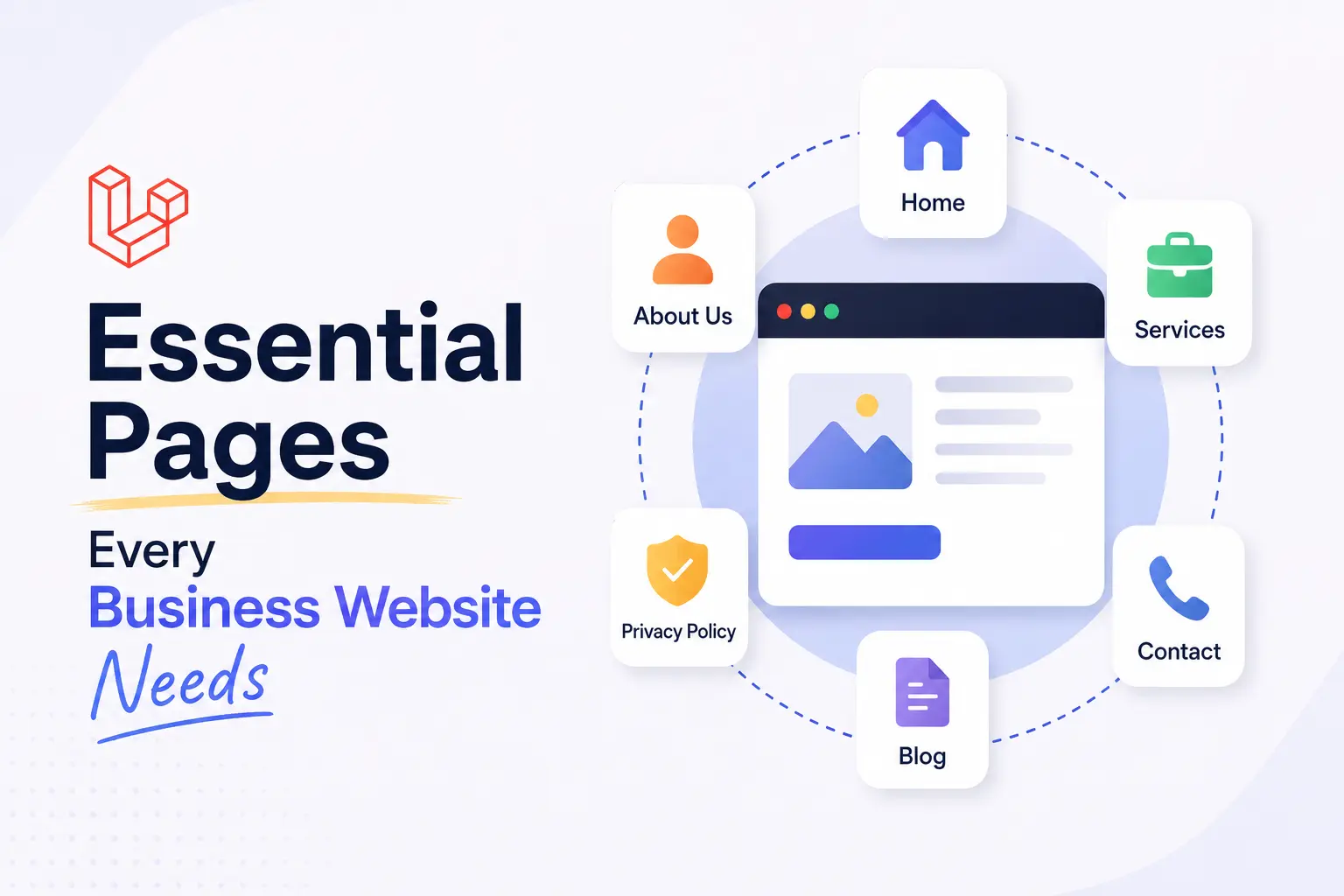
Essential Pages Every Business Website Needs to Build Trust and Drive Growth
Introduction
A professional website is one of the most valuable assets for any modern business. It serves as your digital storefront, marketing platform, and primary source of information for potential customers. However, many businesses focus heavily on design while overlooking the importance of creating the right website structure. Without the proper pages, visitors may struggle to understand your services, trust your brand, or take the next step toward becoming customers.
Understanding the Essential Pages Every Business Website Needs helps create a better user experience while improving search engine visibility and conversion rates. Each page has a specific purpose, whether it's building credibility, showcasing expertise, answering customer questions, or encouraging inquiries.
This guide explains the most important pages every business website should include, why they matter, and how to optimize them for both users and search engines. Whether you're launching a new website or improving an existing one, these recommendations will help you create a stronger online presence that supports long-term business growth.
Home Page: Make a Strong First Impression
Your homepage is often the first interaction visitors have with your business. Within seconds, users decide whether to continue exploring or leave the website.
A well-designed homepage should clearly communicate who you are, what you offer, and why customers should choose your business.
Clearly Explain Your Value Proposition
Visitors should immediately understand:
- What your business does
- Who your services are for
- What problems you solve
- Why you're different from competitors
Use a compelling headline supported by a concise introduction and a strong call-to-action.
Include Trust Signals
Build credibility with:
- Customer testimonials
- Client logos
- Industry certifications
- Awards and recognitions
- Years of experience
- Success statistics
These trust elements help reduce hesitation and encourage visitors to explore further.
About Us Page: Build Credibility and Trust
Customers often research the company behind a product or service before making a decision.
A strong About page humanizes your business and strengthens confidence.
Tell Your Business Story
Share information such as:
- Company history
- Mission and vision
- Core values
- Industry experience
- Business goals
Authentic storytelling helps visitors connect with your brand.
Introduce Your Team
Featuring your leadership team or key employees demonstrates transparency.
Include:
- Professional photos
- Short biographies
- Areas of expertise
- Relevant certifications
This reinforces your business's authority and expertise.
Services or Products Page: Showcase What You Offer
Visitors should never have to guess what your business provides.
Your Services or Products page should clearly explain each offering.
Write Detailed Service Descriptions
Each service should include:
- Overview
- Benefits
- Features
- Process
- Expected outcomes
Avoid vague descriptions and focus on how each service solves customer problems.
Add Calls-to-Action
Encourage visitors to:
- Request a quote
- Schedule a consultation
- Contact your team
- Purchase a product
Clear CTAs guide users toward conversion.
Contact Page: Make Communication Simple
One of the Essential Pages Every Business Website Needs is a professional Contact page.
Customers should find it easy to reach your business.
Include Multiple Contact Methods
Provide:
- Phone number
- Email address
- Contact form
- Business address
- Business hours
Offering multiple communication channels improves accessibility.
Embed Maps and Directions
If your business has a physical location, include an interactive map and clear directions.
This enhances local SEO while improving customer convenience.
Blog Page: Support SEO and Authority
Publishing valuable content regularly helps businesses attract organic traffic and establish expertise.
Educate Your Audience
Create articles covering:
- Industry trends
- Tutorials
- Frequently asked questions
- Case studies
- Best practices
Helpful content positions your business as an authority.
Improve Search Engine Visibility
Blogging allows you to target long-tail keywords and answer specific search queries.
Consistent publishing supports long-term SEO growth.
Portfolio or Case Studies Page
Potential clients want evidence that you can deliver results.
A portfolio demonstrates real-world experience.
Showcase Successful Projects
Include:
- Project objectives
- Challenges
- Solutions
- Results
- Client feedback
Case studies provide social proof while highlighting your expertise.
Use Visual Examples
Include:
- Before-and-after images
- Screenshots
- Project galleries
- Videos
Visual content makes your work more compelling.
Testimonials and Reviews Page
Customer reviews influence purchasing decisions.
A dedicated testimonials page strengthens trust.
Display Genuine Client Feedback
Include:
- Written testimonials
- Star ratings
- Video reviews
- Company names when permitted
Authentic reviews improve credibility.
Highlight Measurable Results
Whenever possible, include statistics demonstrating client success.
Examples include:
- Revenue growth
- Traffic increases
- Cost savings
- Efficiency improvements
Specific outcomes are more persuasive than general praise.
Frequently Asked Questions (FAQ) Page
An FAQ page answers common customer concerns before they contact your business.
Address Common Questions
Include questions about:
- Pricing
- Timelines
- Services
- Support
- Payment methods
- Policies
Clear answers reduce friction during the buying process.
Support SEO
FAQ content naturally targets informational search queries and may qualify for enhanced search results.
Privacy Policy and Legal Pages
Legal compliance builds trust and protects your business.
Essential Legal Pages
Include:
- Privacy Policy
- Terms and Conditions
- Cookie Policy
- Disclaimer (when applicable)
These pages demonstrate professionalism and help meet regulatory requirements.
Explain Data Collection
Inform visitors about:
- Cookies
- Analytics
- Contact forms
- Marketing emails
- Personal data usage
Transparency improves customer confidence.
Create a User-Friendly Navigation Structure
Even the best pages lose value if visitors cannot find them.
Organize Navigation Logically
Keep the main menu concise by including:
- Home
- About
- Services
- Blog
- Portfolio
- Contact
Simple navigation enhances usability.
Maintain Consistency
Ensure navigation remains consistent across all pages.
Users should always know where they are within your website.
Common Mistakes to Avoid
Many business websites fail to convert visitors because of avoidable errors.
Missing Calls-to-Action
Every important page should encourage visitors to take the next step.
Examples include:
- Contact us
- Request a quote
- Book a consultation
- Download a resource
Without CTAs, visitors may leave without engaging.
Outdated Information
Regularly review:
- Contact details
- Team members
- Service offerings
- Pricing information
- Testimonials
Accurate information reflects professionalism.
Expert Recommendations for Business Websites
Professional websites evolve alongside business growth.
Audit Your Website Regularly
Review your website every few months to identify opportunities for improvement.
Evaluate:
- SEO performance
- User behavior
- Conversion rates
- Page speed
- Content quality
Continuous optimization produces better long-term results.
Focus on User Experience
Every page should answer one question:
How does this help the visitor?
When businesses prioritize customer needs, they naturally improve engagement, trust, and conversions.
Conclusion
Creating the Essential Pages Every Business Website Needs is about much more than filling a navigation menu. Each page plays a strategic role in building trust, improving user experience, supporting search engine optimization, and guiding visitors toward becoming customers.
A successful business website should include a compelling homepage, an authentic About page, detailed Services or Products pages, an accessible Contact page, informative blog content, client testimonials, portfolio examples, FAQs, and essential legal pages. Together, these pages create a professional online presence that demonstrates expertise and credibility.
As your business grows, regularly review and update your website to ensure it continues meeting customer expectations and search engine best practices. A well-structured website not only attracts visitors but also builds lasting relationships that contribute to sustainable business success.